I Kilmore carols, il repertorio dei canti natalizi tradizionali nella contea di Wexford (Irlanda) hanno ottenuto una diffusione internazionale grazie al progetto discografico della cantante irlandese Caitríona O’Leary, suddiviso in due acclamati album natalizi.
Dei ventidue testi raccolti nelle due ghirlande del XVII-XVIII sec (testi natalizi composti durante la persecuzione dei cattolici in Irlanda) solo una parte avevano conservato la loro melodia originale nella tradizione orale di Kilmore.
SOMMARIO
♫The Wexford Carols Vol. I e Vol II (Caitríona O’Leary)
♫ The Darkest Midnight (Nóirín Ní Riain)
Kilmore carols/Wexford carols: cosa sono?
Kilmore Carols & Penal Laws
Tutti i Kilmore carols dalla A alla Z
The Wexford Carols Vol. I e Vol II
Per i Kilmore Carols (noto anche come ciclo dei Wexford Carols), il soprano irlandese Caitríona O’Leary ha operato una ricostruzione musicologica e filologica basata sul recupero dei testi poetici seicenteschi e settecenteschi e sulla ricomposizione del loro patrimonio melodico originale, in gran parte andato perduto.
Per prima cosa O’Leary ha ripristinato i testi integrali e il loro contesto storico-politico, spesso omessi nelle esecuzioni moderne dei testi del vescovo Luke Wadding (1684) e il manoscritto di Don William Devereux (1728), il sacerdote che compilò A New Garland, containing songs for Christmas.
Nella tradizione orale tramandatasi fino a nostri giorni nella parrocchia di Kilmore solo pochi canti avevano mantenuto la melodia originaria. Nei suoi scritti, il vescovo Wadding non trascriveva lo spartito, ma indicava l’aria popolare su cui cantare il testo, per cui la prima ricerca compiuta O’Leary è stata quella di risalire alla più probabile melodia abbinata. Dove mancava qualsiasi indicazione musicale, ha selezionato melodie tradizionali dell’epoca compatibili per metrica, struttura e carattere con i versi poetici.
Caitríona O’Leary è la principale interprete ad aver riscoperto e inciso gran parte del ciclo dei Kilmore Carols (noti anche come Wexford Carols). I Kimore Carols tralasciati sono solo due The First Day of the Year[1] e Sweetest of All Names, Jesus[2] oltre a quelli che sebbene trascritti da Luke Wadding non sono entrati nella tradizione orale di Kilmore.
The Wexford Carols Vol I 2014
Tell Shepherds
An Angel This Night
Jerusalem, Our Happy Home
This is our Christmas Day
Now To Conclude Our Christmas Mirth
The Darkest Midnight in December (Christmas night)
An Angel this Bright Morning
Behould Three Kings Come From the East
The Angel Said to Joseph Mild
A Virgin Queen in Bethlehem
Christmas Day Is Come
The Enniscorthy Christmass Carol*
Strange Wonders (The Wexford Carols Vol. II) 2021
i “Dodici giorni di Natale” con i brani dedicati ai santi celebrati a fine anno
Ye Sons of Men with Me Rejoice
The Darkest Midnight in December (Christmas night)
This Christmass Day You Pray Me Sin/This Great Mysterie
On Christmas Night All Christians Sing
The Night of the Nativity
St. Stephen Had An Angel’S Face
This is St Stephen’s Day/On St. Stephen’S Day
To Greet Our Saviour’s Dear One/A Carol For St. John’S Day
Hail Ye Flowers of Martyrs
This Feast of St Sylvester So Well Deserves a Song
The Enniscorthy Christmass Carol*
* Più comunemente detto Wexford carol qui riportato con il titolo locale fu trascritto nel 1910 circa da William Grattan Flood, all’epoca organista a Enniscorthy della cattedrale di San Aidan. La sua origine si perde nel Medioevo inglese e non fa parte delle ghirlande di Devereux–Waddinge
The Darkest Midnight (Nóirín Ní Riain)
Con l’album The Darkest Midnight del 1982 (registrato insieme ai monaci benedettini di Glenstal Abbey) la cantante e teologa irlandese Nóirín Ní Riain ha adottato un approccio liturgico, contemplativo e radicato nella tradizione orale gaelica (sean-nós).
Rispetto alle esecuzioni tradizionali della parrocchia di Kilmore Ní Riain rallenta i tempi e trasforma questi canti natalizi in una forma di preghiera contemplativa.
The Darkest Midnight è la riedizione internazionale (pubblicata dall’etichetta Sounds True nel 1996) dello storico album natalizio di Nóirín Ní Riain inciso insieme ai Monaci dell’Abbazia di Glenstal, originariamente uscito in Irlanda nel 1982 con il titolo Good People All: Religious Songs From The Irish Tradition
- The Seven Rejoices of Mary
- Christmas Day Is Come (Kilmore Carol)
- Song of Jerusalem/Jerusalem Our Happy Home (Kilmore Carol)
- Ye Sons of Men with Me Rejoice (Kilmore Carol)
- Good People All/Wexford Carol
- Song for New Year’s Day/The first day of the year (Kilmore Carol)
- The darkest midnight in December (Kilmore Carol)
- Sciathlúireach Mhuire
- An Teicheadh Go hÉigipt (The Flight into Egypt)
- Now to Conclude Our Christmas Mirth (Kilmore Carol)
- O Pia Virgo (O Blessed Virgin)- work in progress
Kilmore carols/Wexford carols
I Kilmore carols sono una serie di canti natalizi che si cantano tradizionalmente solo nella contea di Wexford (Irlanda). La tradizione ebbe inizio con don Peter Devereux quando divenne parroco di Kilmore verso il 1750: da allora nella chiesa parrocchiale di Santa Maria ad ogni Messa (durante la comunione), sei uomini di cui almeno uno è membro della famiglia Devereux, cantano 12 inni, uno per ogni giorno del periodo natalizio, (+1 per la notte di Natale).
I testi sono racchiusi in due collezioni chiamate “ghirlande” la prima di Luke Waddinge, vescovo di Ferns, risalente al 1684 – A Smale Garland of Pious and Godly Songs, Composed by a devout Man, for the Solace of his Freinds and neighbours in their afflictions- ; la seconda di don William Devereux [1] (1696-1771) risalente al 1728 – A New Garland, containing Songs for Christmas.
Le ghirlande Waddinge e Devereux sono scritte in inglese e contengono i testi di ventidue canzoni natalizie. Di queste 12 sono state trasmesse oralmente, mentre molte altre melodie sono andate perdute.
Diarmaid O Muirithe, che ha riunito e curato una raccolta di tutti i Wexford Carols (The Wexford Carols, Dolmen Press, 1982) osserva: “Erano cantati nella maggior parte delle chiese del sud di Wexford nel XVIII secolo, e anche nel XIX secolo. Penso che sia un vero peccato che ora non vengano più cantate fuori Kilmore.”
[1] parroco di Drinagh dal 1730 al 1771 data della sua morte. secondo la narrazione non aveva una chiesa e nemmeno una cappella in cui officiare la messa per il suo gregge di cattolici e celebrava all’aperto nella campagna con un tettuccio provvisorio a coprire l’altare
[English]
Kilmore carols are a series of christmas carols traditionally sung only in County Wexford (Ireland). This irish tradition began with Father Peter Devereux when he became parish priest of the village around 1750: since then in the parish church of Santa Maria at every Mass (during the communion), six men of which at least one is a member of the Devereux family, sing 12 hymns, one for each day of the Christmas period (+ one for Christmas night).
The texts are contained in two collections called “garlands” the first of Luke Waddinge, bishop of Ferns, dating back to 1684 – A Smale Garland of Pious and Godly Songs, Composed by a devout Man, for the Solace of his Freinds and neighbors in their afflictions –; the second of Father William Devereux (1696-1771) dating back to 1728 – A New Garland, containing Songs for Christmas.
The Waddinge and Devereux Garlands are written in English and contain lyrics for twenty-two Christmas songs. Of these 12 were transmitted orally, while many other melodies have been lost.
Diarmaid O Muirithe, who has assembled and edited a collection of all the Wexford Carols (The Wexford Carols, Dolmen Press, 1982) observes: “They were sung in most of the churches of south Wexford in the 18th century, and even well into the 19th century. I think it’s a great pity that they’re now no longer sung outside Kilmore.”
(1) parish priest of Drinagh from 1730 to 1771 date of his death. according to the narrative he did not have a church or even a chapel in which to officiate mass for his flock of Catholics and he celebrated outdoors in the countryside with a temporary roof covering the altar
Kilmore Carols & Penal Laws
Scrive Eric Fraad nel libretto dell’album The Wexford Carols 2014: ” Durante le Penal Laws i cattolici erano considerati eretici dalle autorità e spesso sospettati di tradimento e altri crimini. Sia il clero che il pubblico conducevano i loro affari in segreto e si riunivano clandestinamente. In questo pesante clima politico è facile immaginare i cattolici irlandesi – in particolare quelli dell’ex classe dei proprietari terrieri che non furono esiliati –comunicare tra loro con un linguaggio in codice. Mentre i canti di Waddinge e Devereux erano intesi come una celebrazione del Natale e un palliativo spirituale per i loro parrocchiani e amici, essi presentano anche un chiaro contenuto politico…
Dopo la vittoria di Cromwell sui cattolici gran parte della popolazione venne espropriata delle terre ed esiliata nel Connacht e nelle Americhe. Altri fuggirono sul continente, in particolare la Francia, dove molti si unirono ai reggimenti francesi. Questo esodo ha guadagnato un nuovo slancio dopo il Trattato di Limerick del 1691. Questi eventi suggeriscono che la popolazione cattolica potrebbe aver interpretato la Fuga in Egitto come un’allegoria del proprio destino e situazione.
Inoltre, l’attesa di un salvatore che avrebbe liberato i fedeli dal loro tormento – un’idea centrale della storia di Natale – potrebbe aver avuto un significato politico implicito per quanto riguarda i re carolingi e giacobiti che cercarono di restaurare il cattolicesimo in Inghilterra e Irlanda, così come la Santa Sede e quei monarchi europei che tentarono di fermare la campagna protestante.
La comunità di Wexford, per la quale furono scritti i canti, soffrì grandi tribolazioni e dovette trovare conforto e profonde connessioni personali con questo repertorio. È facile vedere come i canti abbiano offerto loro speranza e radicato la loro tragedia in un contesto spirituale e liturgico che rafforzava la loro fede, il loro senso di comunità, scopo e identità.“
During the penal times Catholics were considered heretics by the authorities and often suspected of treason and other crimes. Both the clergy and the public conducted their affairs secretly and at clandestine meetings. In this charged political climate it is easy to imagine the Irish Catholics – particularly those of the former landowning class who were not exiled – communicating with each other in coded language. While Waddinge and Devereux’s carols were meant as a celebration of Christmas and a spiritual palliative for their parishioners and friends they also feature overt political content…
After Cromwell’s victory over the Catholics large parts of the population were dispossessed of their lands and exiled to Connacht and the Americas. Others fled to the continent, particularly France where many joined French regiments. This exodus gained new momentum after the Treaty of Limerick in 1691. These events suggest that the Catholic population might well have interpreted the Flight to Egypt as an allegory for their own fate and circumstances.
Additionally, the anticipation of a saviour who would deliver the faithful from their torment – a central idea of the Christmas story – may have had implicit political meaning with regard to the Carolingian and Jacobite kings who sought to restore Catholicism in England and Ireland as well the Holy See and those European monarchs who attempted to stop the Protestant juggernaut.
The Wexford community for whom the carols were written suffered great tribulations and must have found both solace and deep personal connections to this repertory. It is easy to see how the carols would have offered them hope and would have rooted their tragedy in a spiritual and liturgical context that would strengthen their faith, their sense of community, purpose and identity.” (Eric Fraad)
Tutti i Kilmore carols dalla A alla Z
Nella tradizione manoscritta ed editoriale dei Kilmore Carols, i canti hanno quasi sempre un doppio titolo: uno liturgico che indica la ricorrenza e uno basato sul primo verso del testo
- The Angel Said to Joseph Mild
- An Angel this bright morning
- An Angel This Night
- Behould Three Kings Come From the East
- Christmas Day Is Come
- The Darkest Midnight (Christmas night)
- Song for New Year’s Day/The First Day of the Year[1]
- To Greet Our Saviour’s Dear One/A Carol For St. John’S Day
- Hail Ye Flowers of Martyrs
- Jerusalem, Our Happy Home
- The Night Of The Nativity
- Now To Conclude Our Christmas Mirth
- On Christmas Night All Christians Sing
- St. Stephen Had An Angel’S Face
- Sweetest of All Names, Jesus[2]
- Tell Shepherds
- This Christmass Day You Pray Me Sin/This Great Mysterie
- This Feast of St Sylvester So Well Deserves a Song
- This is our Christmas Day
- This is St Stephen’s Day/On St. Stephen’S Day
- A Virgin Queen in Bethlehem
- Wexford carol/The Enniscorthy Christmass Carol*
- Ye Sons of Men with Me Rejoice
[1] non incluso nei The Wexford Carols Vol. I e Vol II: Caitríona O’Leary non ha mai rilasciato dichiarazioni specifiche sull’esclusione di “The First Day of the Year”. La melodia associata al canto è “Neen Major Neale” la stessa già condivisa con “An Angel This Night” (Vol. I), “On St. Stephen’s Day” e “This Feast of St. Sylvester” (Vol. II)
[2] Il testo di questo canto (noto anche come Carol for New Year’s Day, attribuito a padre William Devereux nel XVIII secolo) è giunto fino a noi tramite manoscritti frammentari trascritto da padre Joseph Ranson nel 1949, ma la sua melodia originale non è sopravvissuta nella tradizione orale moderna né nei repertori ricostruiti dalla O’Leary
Albums
- Nóirín Ní Riain –The Darkest Midnight 1982
playlist completa sul canale youtube https://www.youtube.com/playlist?list=OLAK5uy_mZWdCyHEkE9whwUlbfKH7MyFlBqpRH1H8 - Caitríona O’Leary The Wexford Carols 2014 (con la collaborazione di Tom Jones, Rosanne Cash e Rhiannon Giddens (https://caitrionaoleary.bandcamp.com/album/the-wexford-carols)
playlist completa sul canale youtube https://www.youtube.com/playlist?list=OLAK5uy_l5Q1qJqrXsombZFsyWx50uuUgOhZOekc4
ed ecco tutto il bellissimo libretto incluso https://eclassical.textalk.se/shop/17115/art46/4913446-db7ba2-5060268640627.pdf - Caitríona O’Leary (e ospiti) Strange Wonders (The Wexford Carols, Vol. II), 2021
Seth Lakeman ( voce, viola), Clara Sanabras (voce, chitarra barocca), John Smith (voce, chitarra), Stile Antico (coro), Alison Balsom (tromba), Olov Johannson (nyckelharapa), Simone Collavechi (liuto e chitarra rinascimentale), Deirdre O’Leary (clarinetto basso), Mel Mercier (percussioni), John Hearne (fagotto), Ethan Johns (percussioni e harmonium drone)
https://caitrionaoleary.bandcamp.com/album/strange-wonders-the-wexford-carols-vol-ii
playlist completa sul canale youtube https://www.youtube.com/playlist?list=OLAK5uy_nxXynf_KHIFfrtbl3ZvMZZCmYsUtIJuoc
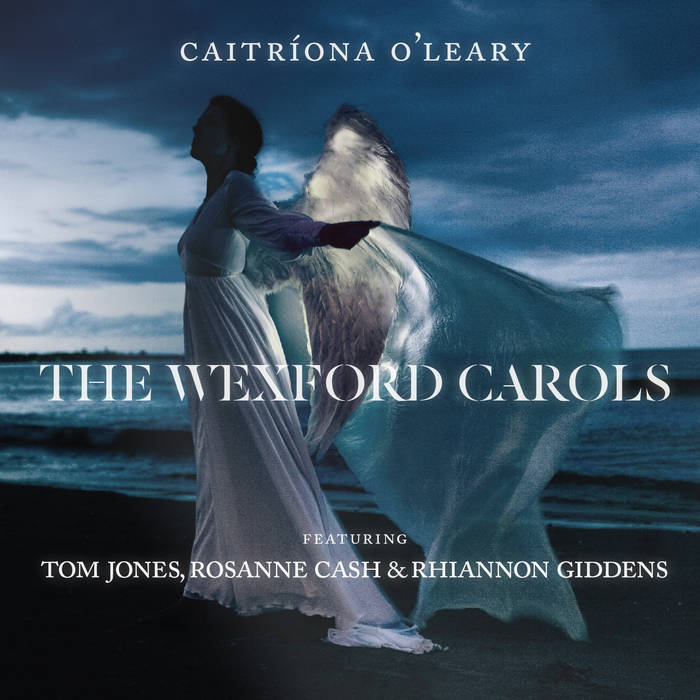
Scrive Caitríona O’Leary nel libretto di The Wexford Carols 2014
“Nel 1684 Luke Waddinge, vescovo di Ferns, Co. Wexford, pubblicò “A Smale Garland of Pious & Godly Songs in Ghent”. Scritte come conforto per gente come lui, la nobiltà cattolica irlandese diseredata, le poesie di Waddinge sono arrangiate su melodie popolari del momento, sia irlandesi che Inglesi (perché, nonostante la politica, la musica ha un potere così straordinario e senza confini, e una buona melodia è sempre una buona melodia!). I canti divennero così popolari che furono ristampati due volte nel successivo mezzo secolo. Al canto di questi inni natalizi semi-illegali sotto le Penal Laws è stato dato ulteriore slancio da Don William Devereux che, nel 1728, compose una nuova ghirlanda natalizia. Queste due raccolte, insieme alla famosa Enniscorthy Carol, formano il repertorio del canto natalizio tradizionale nella contea di Wexford.”
Caitríona O’Leary from booklet in The Wexford Carols 2014
“In 1684 Luke Waddinge, Bishop of Ferns, Co. Wexford, published A Smale Garland of Pious & Godly Songs in Ghent. Written as a solace for people like him, disinherited Irish Catholic gentry, Waddinge’s poems are set to popular tunes of the day, both Irish &
English (because, in spite of politics, music has such tremendous, borderless power, and a good tune is always a good tune!). The carols became so popular that they were reprinted twice over the next half-century. The singing of these semi-illicit carols from the penal times was given further momentum by Fr. William Devereux who, in 1728, composed A New Garland Containing Songs for Christmas. These two collections, along with the famous Enniscorthy Carol, form the repertoire of a tradition of carol singing in Co. Wexford.”
See https://www.rte.ie/archives/exhibitions/922-christmas-tv-past/287756-kilmore-carols/
In this report from ‘The Arts Programme’ a choir of six local men, all related to each other is profiled. The choir sing ancient carols and religious songs in Kilmore church, County Wexford maintaining a family tradition. The men are Jack Devereaux, Johnny Devereaux, Liam Shield, Jimmy Kehoe, Tim Revell and Jack Busher. The voiceover is by the RTÉ reporter Diurmuid O’Muirithe who mentions the various careers the six men are or were involved in. The songs are in the Yola language which is unique to Wexford.
LINK
http://www.askaboutireland.ie/reading-room/life-society/traditions-and-customs/the-kilmore-carols/the-carols-of-william-dev/
https://www.irishtimes.com/culture/the-kilmore-carollers-1.228070
http://www.hymnsandcarolsofchristmas.com/Hymns_and_Carols/Images/Wadding_Devereux/christmas_carols_of_waddinge_and.htm
http://villagecarols.org.uk/links/kilmore-traditional-singers.pdf
https://www.classicalexplorer.com/strange-wonders-the-wexford-carols/
